
In the modern betting landscape, the greatest edge doesn’t come from a computer program, but from understanding Mass Psychology. The “Psychological Anchor” strategy focuses on the gap between a team’s public reputation and their current physical reality.
The Core Concept:
Public bettors (the “square” money) tend to anchor their expectations to a team’s performance from two weeks ago. When a powerhouse team suffers a high-profile loss, the market often over-corrects, offering inflated odds on their next match. Conversely, a mediocre team on a “lucky” three-game winning streak will be severely overvalued.
Key Tactics:
- The “Post-Derby” Fade: High-intensity rivalry matches drain teams emotionally and physically. Statistically, elite teams often underperform in the match immediately following a major derby. Bet against the favorite in their next “quiet” mid-week fixture.
- Narrative Scouting: Follow local beat reporters on social media to find “invisible” factors—like a squad-wide flu outbreak or internal locker room friction—that haven’t yet shifted the betting lines.
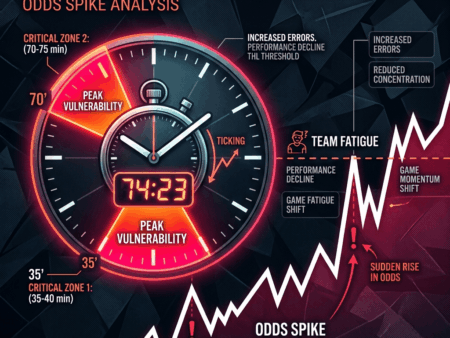
- The 75th Minute “Panic” Entry: In live betting, if a favorite is trailing by one goal at the 75-minute mark, the odds for a “Draw” or “Next Goal” skyrocket. As the trailing team throws everyone forward, the game becomes chaotic. This “Chaos Window” is where the highest value resides.