
HB4431 outlines a framework for licensed online casino operations, including table games, slots, poker, peer-to-peer games, and skill-based betting. Under the proposed bill:
Massachusetts Bill Proposes Legal iGaming While Cracking Down on Sweepstakes Platforms

Sweeping iGaming Bill Introduced in Massachusetts
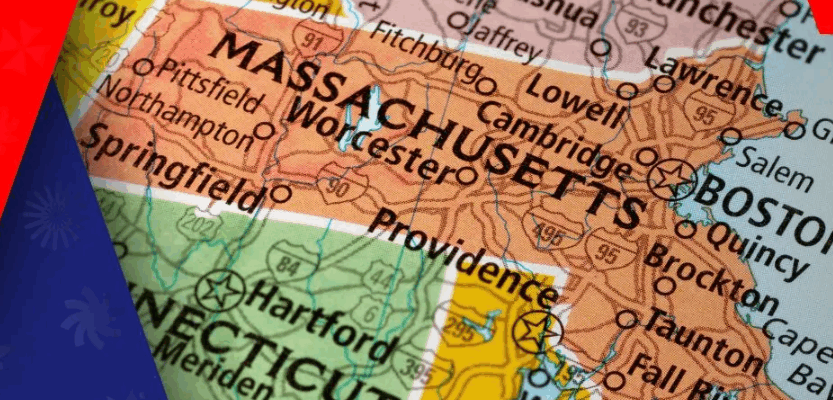
Massachusetts is poised to reshape its online gambling laws with the introduction of House Bill 4431, sponsored by Representative David Muradian. The legislation seeks to legalize and regulate online casino gaming (iGaming) while simultaneously banning sweepstakes-style games that utilize dual-currency systems, a move that directly targets legal loopholes exploited by offshore and unlicensed platforms.
Key Provisions of HB4431
HB4431 outlines a framework for licensed online casino operations, including table games, slots, poker, peer-to-peer games, and skill-based betting. Under the proposed bill:
- Operators would be taxed at 15% of adjusted gross revenue
- Licenses are valid for five years
- Application and renewal fees are $100,000
- Players are limited to $20,000 in deposits per 24 hours
- Credit card deposits are prohibited
In addition, a portion of tax revenue would fund addiction treatment and recovery programs.
Ban on Sweepstakes Gaming
The bill proposes a full ban on sweepstakes-style gambling platforms, particularly those that mimic traditional casino or sports betting formats using virtual currencies and real-money equivalents. This follows the regulatory approach taken by New York’s Law S5935A, aimed at stopping platforms that skirt gambling laws.
Violators would face strict penalties, including:
- Fines between $10,000 and $100,000 per violation
- License suspension or revocation
- Up to two years of imprisonment for repeat offenses
Economic Potential & Industry Impact
With online sports betting revenue in Massachusetts reaching $62.1 million in June 2025 (a 53.4% YoY increase), proponents of HB4431 argue that legal iGaming could significantly boost state revenue. Major operators such as Penn Entertainment and MGM Resorts are expected to apply for licenses, potentially spurring job creation and local economic development.
Support and Opposition
Supporters, including several lawmakers and the Massachusetts Gaming Commission, believe the bill provides a safer, regulated alternative to underground gambling. They argue it would protect consumers while generating tax revenue.
However, opposition has emerged from the Social & Promotional Games Association (SPGA), which criticizes the bill’s ban on sweepstakes. The group claims lawmakers lack a clear understanding of how promotional sweepstakes games function and accuses them of favoring iGaming interests.
“Banning sweepstakes while legalizing iGaming reflects a fundamental misunderstanding of the space,” said the SPGA.
State-by-State Comparison
Massachusetts joins a growing list of states taking aim at unregulated sweepstakes casinos. Legislative or regulatory action has already occurred in:
- Montana
- Connecticut
- New York
- New Jersey
Meanwhile, Nevada is awaiting gubernatorial approval on similar measures, and regulators in Washington and Michigan have begun enforcement efforts.



Latest News