
The Psychology Behind Winning Bets
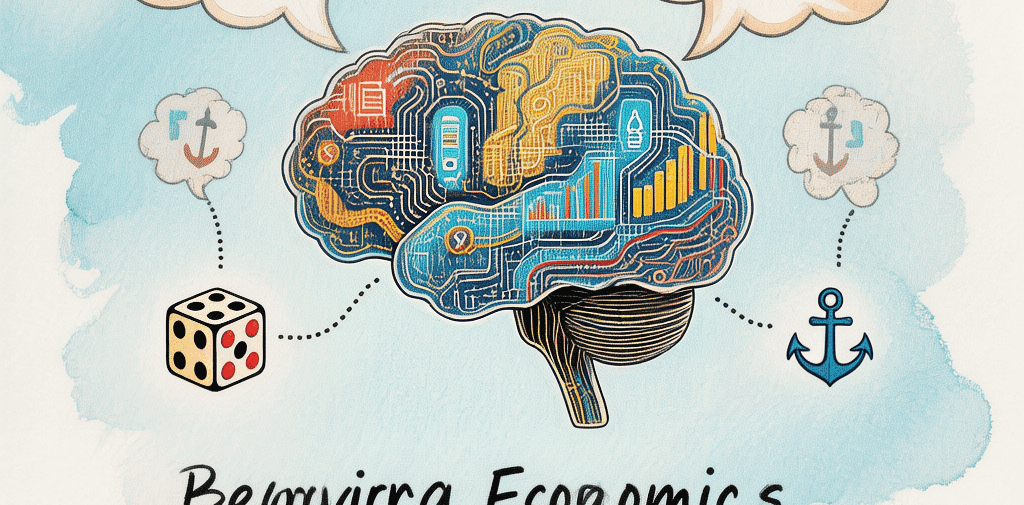
Bookmakers still rely on crowd psychology to set lines. By 2026, sentiment analysis tools decode public overreactions, creating profitable contrarian opportunities.
Top Behavioral Edges:
🎯 Recency Bias Trap – After a big win/loss, odds overadjust (e.g., a soccer team loses one game, and their next match odds become too generous).
🎯 FOMO (Fear of Missing Out) Markets – Parlay hype inflates odds on trendy picks (e.g., Taylor Swift Super Bowl props).
🎯 “Hot Hand” Fallacy – Bettors overvalue streaks—statistically, regression to the mean is inevitable.
Strategy in Action:
- Use Twitter sentiment trackers (e.g., OddsSight) to gauge overhyped teams.
- Bet against viral trends (e.g., “Team X is unstoppable!” → their odds become artificially short).
- Target live-betting overreactions (e.g., a goal in minute 1 shifts odds too drastically).
Toolkit for 2026:
📊 PredictIt + Polymarket – Bet on crowd wisdom (and its mistakes).
🤖 ChatGPT-5 Betting Plugins – Simulate millions of game scenarios.
📉 Kelly 2.0 – Dynamic staking based on real-time bankroll risk algorithms.
Final Word
The 2026 bettor must merge AI, behavioral science, and blockchain speed to stay ahead. Which strategy will you try first?