Under this new directive, only operators who meet strict licensing criteria set by local regulators can advertise services such as sports betting, online casinos, and gambling-related lotteries.
Google Opens Doors to Licensed Gambling Ads in Cameroon and Namibia

Licensed Gambling Ads Now Allowed in Two African Nations
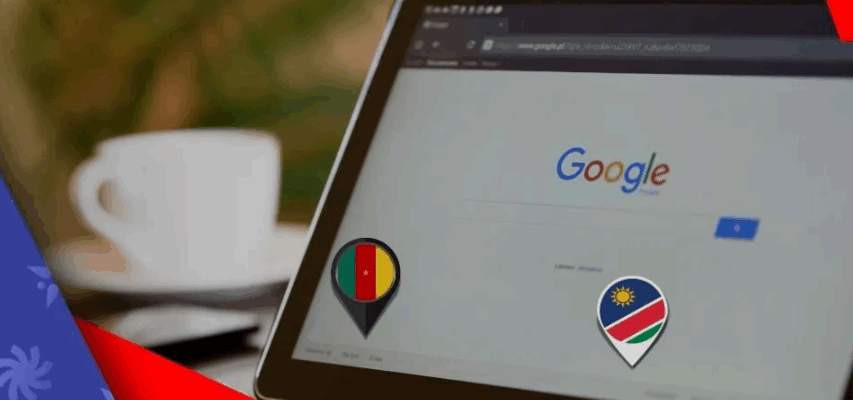
Starting August 19, 2025, Google has officially authorized licensed gambling operators in Cameroon and Namibia to run ads on its platform. The policy update reflects the tech giant’s strategic push into emerging markets—balancing business expansion with regulatory compliance and user protection.
Under this new directive, only operators who meet strict licensing criteria set by local regulators can advertise services such as sports betting, online casinos, and gambling-related lotteries.
Certification and Local Licensing Requirements
According to Google’s statement, advertisers in Cameroon and Namibia must undergo a certification process and hold proper government-issued licenses before they can launch campaigns.
- In Cameroon, licenses must be obtained from the Agence de Régulation des Jeux.
- In Namibia, advertisers must be licensed by both the Gambling Board and the Lotteries Board.
This dual-layered licensing approach ensures ads are not only legally compliant but also vetted for consumer safety.
Transparency and Consumer Protection at the Core
Google’s decision highlights a broader commitment to transparency and responsible advertising in Africa’s growing gambling ecosystem. The certification process is designed to:
- Block unlicensed or rogue operators from reaching users;
- Ensure all displayed ads promote legal and regulated betting platforms;
- Protect vulnerable consumers from predatory or deceptive content.
To reinforce its stance, Google has updated its Gambling and Games policy center in tandem with the new rules going live.
🇳🇬 Nigeria: A Case of Measured Access
Google’s cautious strategy was earlier evident in Nigeria, where a nationwide ban on gambling ads was enforced in January 2025. However, in March, Google partially lifted the restriction, allowing ads only in Lagos State, and only by operators licensed by the Lagos State Lotteries and Gaming Authority (LSLGA).
This selective allowance illustrates Google’s desire to balance market opportunity with localized oversight.
A Growing Opportunity in Africa
Africa’s online gambling market is growing rapidly—and Google’s latest policy shift acknowledges both the opportunity and the responsibility that comes with it. By allowing licensed ads in Cameroon and Namibia, Google:
- Opens new commercial pathways for legal operators
- Sets a standard for ethical advertising
- Reinforces the importance of regulatory frameworks in fast-expanding sectors




Latest News